The Essential Guide: Why Does My Car Overheat in Hot Weather?
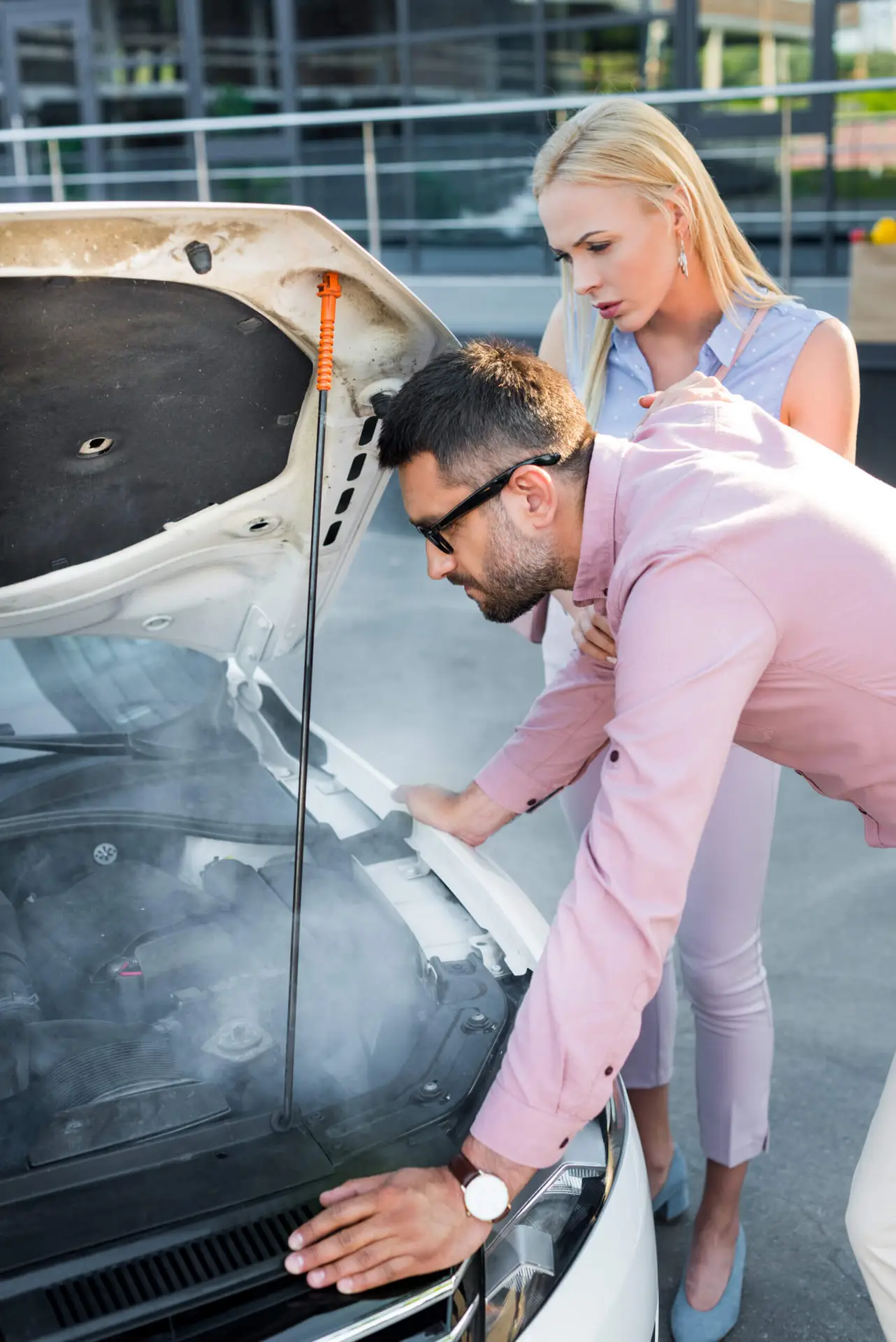
If you’ve ever noticed your temperature gauge climbing while sitting in summer traffic or seen steam coming from under the hood, you’re probably asking yourself, “Why does my car overheat in hot weather?” It’s a common concern during the warmer months, especially when temperatures rise and your cooling system has to work much harder to keep your engine at a safe operating temperature.
An overheating engine is more than an inconvenience. If ignored, it can lead to severe engine damage, expensive repairs, and even leave you stranded on the side of the road. Fortunately, understanding why your car overheats in hot weather can help you recognize the warning signs early and address the problem before it becomes a major issue.
Why Does My Car Overheat in Hot Weather?
Your vehicle’s engine naturally produces a tremendous amount of heat every time it runs. The cooling system is responsible for removing that heat and maintaining a safe operating temperature. During hot weather, the outside air is already warm, making it more difficult for the cooling system to dissipate heat efficiently.
If any part of the cooling system isn’t working properly, the added stress of summer temperatures can quickly cause your engine to overheat.
Common Causes of Engine Overheating
Several components work together to regulate engine temperature. A failure in just one of these parts can lead to overheating.
Low Coolant Levels
Coolant, also known as antifreeze, transfers heat away from the engine and into the radiator. If coolant levels are low because of a leak or lack of maintenance, the engine won’t be able to cool itself properly.
Common causes of low coolant include:
- Radiator leaks
- Hose leaks
- Water pump leaks
- Cracked coolant reservoir
- Evaporation over time if maintenance has been neglected
Checking coolant levels regularly is one of the easiest ways to help prevent overheating.
Failing Radiator
The radiator is responsible for releasing engine heat into the outside air. Dirt, bugs, road debris, or internal corrosion can reduce its ability to cool the coolant effectively.
Signs of a radiator problem include:
- Engine running hotter than normal
- Coolant leaks near the front of the vehicle
- Rust-colored coolant
- Steam coming from under the hood
Bad Thermostat
 The thermostat controls coolant flow between the engine and radiator. If it becomes stuck closed, coolant cannot circulate properly, causing temperatures to rise rapidly.
A faulty thermostat often causes:
- Sudden overheating
- Temperature gauge fluctuating
- Heater blowing cold air
- Engine reaching high temperatures quickly after startup
Cooling Fan Problems
Many modern vehicles rely on electric cooling fans that activate when temperatures increase or when you’re sitting in traffic.
If the fan motor, relay, temperature sensor, or wiring fails, airflow through the radiator decreases significantly.
This is one reason many drivers notice overheating while stopped at traffic lights but not while driving down the highway.
Water Pump Failure
The water pump circulates coolant throughout the engine. If it fails, coolant stops moving efficiently, causing engine temperatures to rise.
Signs of a failing water pump include:
- Coolant leaking near the pump
- Whining or grinding noises
- Engine overheating
- Steam from the engine compartment
Damaged Radiator Hoses
Cooling system hoses carry coolant between components. Over time, they become brittle, soft, cracked, or swollen.
A burst hose can cause rapid coolant loss and immediate overheating.
Clogged Cooling System
Old coolant eventually breaks down and can leave deposits throughout the cooling system.
These deposits restrict coolant flow and reduce heat transfer, especially in older vehicles that have missed scheduled coolant flushes.
Why Does My Car Overheat More in Traffic?
Many drivers notice their vehicle only overheats while idling or moving slowly.
This usually points toward one of several cooling system issues:
- Cooling fan not operating
- Radiator airflow restricted
- Low coolant level
- Weak water pump
- Dirty radiator
At highway speeds, air naturally flows through the radiator, helping cool the engine. In slow-moving traffic, your vehicle depends much more on the cooling fan.
Warning Signs Your Engine Is Getting Too Hot
Recognizing early symptoms can help you avoid catastrophic engine damage.
Watch for: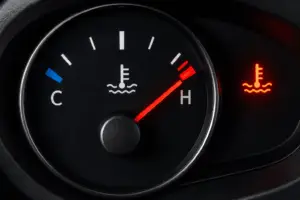
- Temperature gauge moving into the red
- Steam from under the hood
- Coolant smell inside or outside the vehicle
- Warning lights on the dashboard
- Reduced engine performance
- Knocking or pinging noises
- Air conditioner suddenly blowing warm air
If you notice any of these symptoms, it’s important to address the issue immediately.
What Should You Do If Your Car Overheats?
If your engine begins overheating while driving, stay calm and follow these steps.
Turn Off the Air Conditioner
The air conditioner adds extra load to the engine. Turning it off may help reduce engine temperature.
Turn the Heater On
Although it sounds strange during hot weather, turning on the heater pulls heat away from the engine and into the cabin.
It may make the interior uncomfortable, but it can sometimes prevent severe engine damage long enough to reach a safe location.
Pull Over Safely
If the temperature continues rising, pull over as soon as it’s safe.
Do not continue driving with the engine overheating.
Shut Off the Engine
Allow the engine to cool completely before opening the hood.
Never remove the radiator cap while the engine is hot, as pressurized coolant can cause serious burns.
Can You Continue Driving an Overheating Vehicle?
The short answer is no.
Driving while the engine is overheating can quickly cause:
- Blown head gaskets
- Warped cylinder heads
- Cracked engine blocks
- Damaged pistons
- Complete engine failure
Repairs for severe overheating often cost thousands of dollars compared to a much smaller repair if the issue is caught early.
Preventing Overheating During Summer
Routine maintenance is the best defense against overheating.
Preventative services include:
- Checking coolant levels
- Inspecting radiator hoses
- Replacing worn belts
- Flushing coolant at recommended intervals
- Testing the thermostat
- Inspecting the radiator
- Verifying cooling fan operation
- Checking the water pump
- Pressure testing the cooling system
Regular inspections allow technicians to identify small problems before they become expensive repairs.
How Heat Affects Older Vehicles
Older vehicles often have cooling systems that have experienced years of wear.
Rubber hoses deteriorate.
Radiators accumulate internal corrosion.
Thermostats wear out.
Water pumps lose efficiency.
As temperatures climb during summer, these aging components are much more likely to fail.
If your vehicle has over 100,000 miles or hasn’t had cooling system maintenance in several years, a cooling system inspection is a smart investment before peak summer temperatures arrive.
Don’t Ignore Small Temperature Changes
Many drivers wait until the temperature gauge reaches the red zone before taking action.
However, even slight increases above normal operating temperature may indicate the cooling system is beginning to struggle.
Catching the problem early can often mean replacing a thermostat or hose instead of an entire engine.
Pay attention if your temperature gauge starts climbing higher than it normally does, even if it hasn’t reached the danger zone yet.
Conclusion
If you’ve been wondering, “Why does my car overheat in hot weather?” the answer usually comes down to a problem somewhere within the cooling system. Low coolant, a failing radiator, a faulty thermostat, worn hoses, cooling fan issues, or a failing water pump can all contribute to rising engine temperatures during the summer months.
Ignoring an overheating engine can lead to significant damage and costly repairs. Scheduling regular maintenance and addressing warning signs early can help keep your vehicle reliable no matter how hot it gets outside.
If you’ve noticed your temperature gauge climbing, steam coming from under the hood, or any other signs of overheating, don’t wait for the problem to get worse. Contact us here to schedule a cooling system inspection. Our experienced technicians can identify the cause of the overheating and help keep your vehicle running safely all summer long.
Further Reading
- Car Care Council – Cooling System Maintenance
https://www.carcare.org - NHTSA – Vehicle Safety and Maintenance
https://www.nhtsa.gov/vehicle-safety - AAA – Preventing Summer Vehicle Breakdowns
https://www.aaa.com - Gates – Cooling System Maintenance Guide
https://www.gates.com - ASE – Car Care Tips
https://www.ase.com/car-care-tips